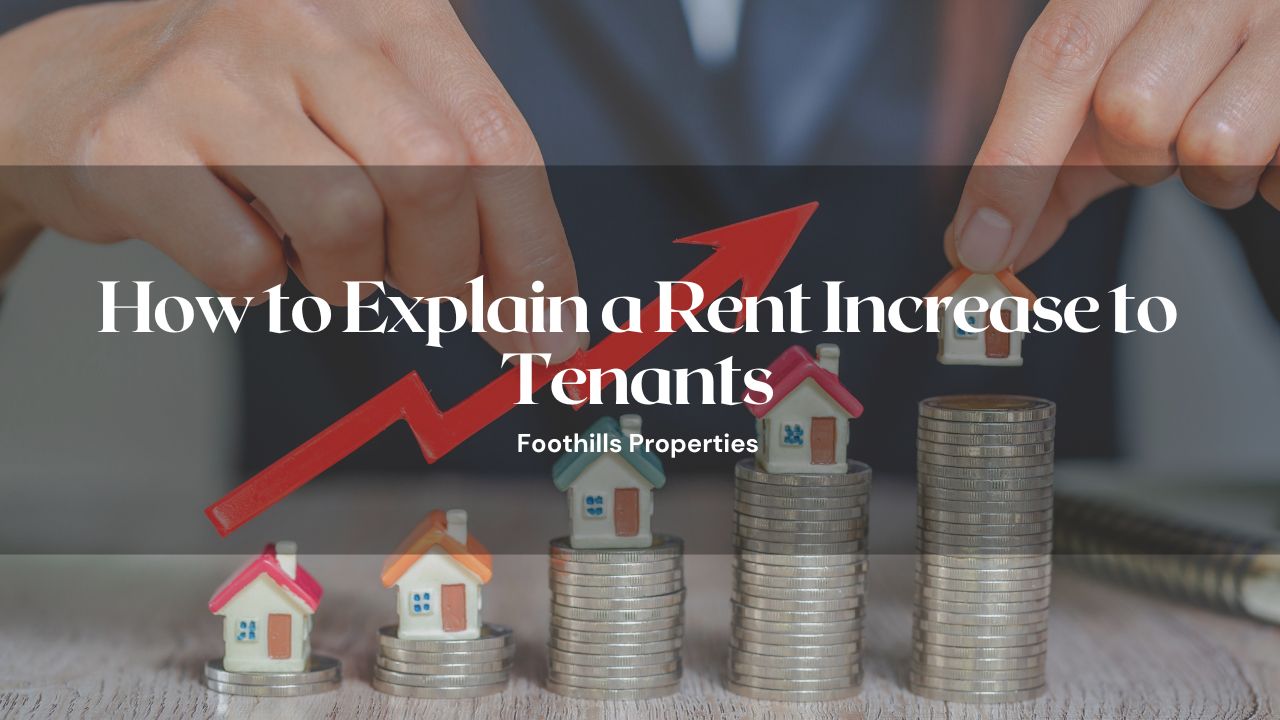
For many rental owners, raising rent is one of the most uncomfortable parts of property management. It can feel awkward, especially with long-term tenants who have paid on time and taken care of the property. Still, avoiding the conversation can create bigger financial problems down the road.
At Tucson Foothills Properties, this is a topic that comes up often because owners are trying to balance rising costs with tenant retention. The key is not just deciding on the new rate. It is knowing how to explain it in a way that feels professional, fair, and well-supported.
Why Rent Increases Need a Clear Strategy
 A rent increase should never come across as random or emotional. Tenants are far more likely to accept an adjustment when they understand the reason behind it.
From an owner’s perspective, higher rent often reflects rising operating costs. Insurance premiums, maintenance expenses, vendor pricing, taxes, and utilities rarely stay flat for long. On top of that, local rental markets shift. If comparable homes are leasing for more, leaving rent untouched for too long can slowly cut into returns.
That is why rent increases work best when they are treated as part of a larger asset management strategy, not just a one-time conversation. A thoughtful approach also fits with broader goals like increasing rental property income strategically without creating unnecessary turnover.
Start With the Market, Not Emotion
Explain the reason in practical terms
The strongest way to open the conversation is by pointing to outside factors. Instead of making it sound like a personal decision, frame it as a response to real costs and market conditions.
That might include increases in maintenance, insurance, or utilities, along with the need to keep the property aligned with current neighborhood pricing. When tenants hear that the increase is tied to real conditions, the discussion becomes more objective.
Show the numbers when possible
Specific numbers make the explanation stronger. If similar three-bedroom rentals in the area are now renting for more than the current lease amount, that is useful context. Market support matters because tenants are less likely to feel singled out when they can see the adjustment is reasonable.
Using local trends can also help owners stay grounded in data instead of guesswork. Even broad housing patterns show how market movement affects rents and affordability over time, which is why many investors track rental market data and housing trends.
Transparency Builds Trust
Tenants do not need every line item from an owner’s budget, but they do need a clear explanation. Transparency helps reduce tension because it answers the question most renters are really asking: Why now?
A short, honest explanation is often enough. Let them know that property expenses have increased and that the updated rent still reflects current market conditions. This approach keeps the tone factual and professional.
It also helps to make sure the increase is supported by financial reality. Owners who understand rental income and expense rules are usually better positioned to make smart decisions about pricing, profitability, and long-term planning.
Show Appreciation for Good Tenants
Long-term tenants deserve a thoughtful approach
Not every tenant should receive the exact same message. A long-term tenant with a solid payment history should be approached with more care than a resident who has caused repeated issues.
Acknowledging loyalty matters. A simple statement of appreciation can make the conversation feel more respectful and less transactional. In some cases, owners may decide to keep the increase slightly below full market rate to reward consistency and reduce the risk of vacancy.
That kind of balance matters because retaining strong residents is often more profitable than pushing too aggressively and losing them. Tenant satisfaction also ties into broader retention practices like keeping renters happy and reducing turnover.
Put Everything in Writing
 Verbal conversations are helpful, but written notice is essential.
Once the decision has been communicated, follow up with a clear written notice by letter or email. The message should include the new rent amount, the effective date, and any relevant lease timing details. Keep the wording simple and professional.
Written notice does two things. First, it creates documentation. Second, it reassures the tenant that the process is being handled properly.
Timing matters
Owners and managers also need to make sure notice periods match the lease and any applicable laws. This becomes especially important with flexible lease structures, renewals, or shorter-term arrangements, which is why understanding month-to-month lease terms and notice expectations is so valuable.
In general, rent changes should feel orderly, not rushed. Good timing gives tenants room to process the change and plan accordingly.
Be Ready for Pushback
Even when a rent increase is fair, some tenants will struggle with it. That does not always mean the conversation has to turn into conflict.
A calm response can go a long way. If a tenant expresses concern, acknowledge it. Let them know you understand the adjustment may be difficult. In some cases, there may be room to discuss a short transition period or another practical solution that helps them adapt.
That does not mean every owner should negotiate away their bottom line. It means empathy can improve the outcome. People respond better when they feel heard.
There is also a larger housing reality behind these conversations. Affordability pressures affect many renters, which is one reason owners benefit from understanding rental assistance and housing guidance. A well-informed manager can stay firm while still being respectful.
What Property Managers Should Avoid
Do not be vague
Unclear explanations create suspicion. If the increase is necessary, say so plainly.
Do not apologize for running a business
You can be empathetic without sounding uncertain. A confident, respectful tone is better than an overly defensive one.
Do not rely only on a phone call
Always document the adjustment in writing.
Do not ignore tenant history
A strong tenant relationship should shape how the message is delivered, even if the numbers still need to change.
Key Takeaways
- Rent increases are easier to accept when they are tied to clear market and cost-based reasons
- Transparency turns the conversation into a facts-based discussion instead of a personal conflict
- Long-term tenants should be approached with appreciation and professionalism
- Written notice is essential for clarity, documentation, and consistency
- Empathy matters, especially when tenants need time to adjust
- A good rent increase strategy protects both profitability and tenant relationships
Final Thoughts
A rent increase is rarely a fun conversation, but it does not have to damage the relationship. When handled with clarity, market support, and empathy, it can actually reinforce trust and show tenants that the property is being managed professionally.
Tucson Foothills Properties works with owners every day to navigate conversations like this in a way that protects the investment while keeping communication respectful and clear.