Key Takeaways
Compare your Tucson rental with similar properties in the same area, accounting for differences in condition, amenities, parking, and location to establish a competitive asking price.
Evaluate your expected rental income against mortgage payments, taxes, insurance, maintenance, vacancy, and management expenses to understand your potential return on investment.
Monitor listing performance and local market conditions, and adjust your pricing strategy when necessary to reduce vacancy and protect long-term rental income.
Before listing your Tucson home for rent, you need to determine a realistic asking price. Set the rent too high, and your property could sit vacant while mortgage payments, taxes, and insurance continue to accumulate. Price it too low, and you could miss out on rental income throughout the lease.
Finding the right balance does not have to involve guesswork. With a clear process and reliable market information, you can establish a rental price that reflects your property's value and current demand.
This guide from the team at Foothills Properties explains how Tucson property owners can evaluate comparable rentals, account for differences between properties, consider the effects of location and seasonality, and adjust pricing based on market feedback.
Identify the Features That Influence Your Rental Price
Begin by assessing your property's characteristics and condition. The number of bedrooms and bathrooms, overall square footage, and layout all influence its appeal. Updated kitchens, modern flooring, fresh paint, and well-maintained fixtures may help your home compete with similar rentals.
Reliable heating and cooling systems are particularly important in the desert, while garages and covered parking can offer valuable protection from the sun.
Outdoor features can also affect rental appeal. A private patio, shaded yard, manageable landscaping, or mountain views may distinguish your property from nearby listings.
Your pet policy may influence the size of your potential applicant pool as well. Evaluating these features objectively will help you understand where your home stands in relation to the competition.
Find Comparable Rental Properties
Comparable properties, often called comps, are homes similar to yours that are currently advertised for rent or have recently been leased. The most useful comparisons generally share similar bedroom and bathroom counts, square footage, and neighborhood characteristics.
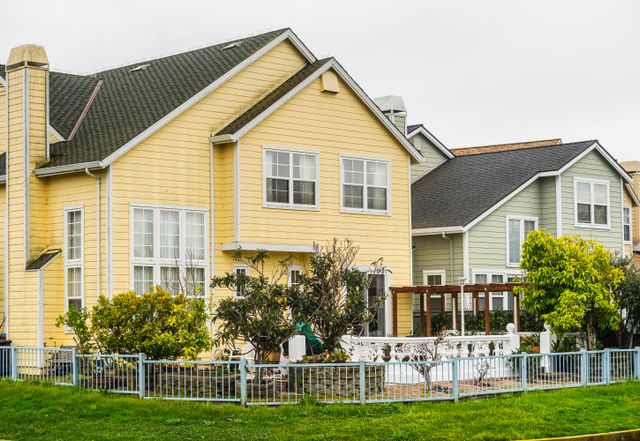
Pay attention to both the advertised rent and how long each listing has remained on the market. An asking price does not necessarily reflect the amount a renter will ultimately pay. A property that leases quickly may be priced in line with demand, while a listing that remains available for an extended period may indicate that something needs improvement.
Adjust Your Comparisons to Reflect Your Property
Even homes in the same neighborhood can command different rents because of differences in condition, features, and location.
If a comparable property has a garage while yours offers only a carport, you may need to price yours somewhat lower. Conversely, a recently renovated kitchen, improved flooring, or a more efficient cooling system could make your home more competitive than an otherwise similar property.
Keep these adjustments realistic and consistent. Owners sometimes place too much emphasis on improvements they personally value without considering whether renters are willing to pay more for them. Once you have adjusted your comparisons, use the resulting figures to establish a reasonable rental range.
It helps to identify the lowest rent you would accept while still considering the investment worthwhile, the highest price supported by comparable properties, and a target price that reflects your home's strengths and limitations.
Establishing these figures before advertising can help you evaluate offers calmly and decide when a price adjustment is justified. Your target should reflect the market rather than an arbitrary amount you hope to earn.
Consider Location Within Tucson
A property's location can influence its rental value beyond what its physical characteristics suggest. Access to shopping, parks, trails, and mountain recreation can influence demand, depending on the preferences of prospective renters.

When comparing homes, prioritize properties in locations that prospective renters would realistically consider as alternatives to yours. A rental just a short distance away may not be a meaningful comparison if its surroundings, commute options, or overall appeal are substantially different.
Account for Seasonal Rental Demand
Tucson experiences seasonal changes in rental activity. Winter can bring seasonal residents seeking furnished or shorter-term accommodations, while the University of Arizona's academic calendar can influence demand around the start of the school year.
Activity may slow during particularly hot periods, although the timing and strength of these patterns vary by neighborhood and property type.
If you need to list during a slower period, competitive pricing and professional-looking photographs can help your home stand out. When your schedule allows flexibility, consider how the expected availability date aligns with local demand rather than assuming every season offers the same leasing opportunities.
Lease duration can also influence future vacancy timing. For example, choosing a lease term that ends in late spring or summer may position the next marketing period within a stronger leasing season, depending on the property's target audience.
However, lease terms should also reflect your investment plans, applicable laws, and the preferences of qualified applicants. Planning ahead can help you reduce avoidable gaps between tenancies.
Compare Market Rent With Your Expenses
Once you have estimated a realistic rental price, compare it with the costs of owning and operating the property. Include your mortgage payment, property taxes, insurance, homeowners association dues, routine maintenance, reserves for larger repairs, expected vacancy, and any property management fees.

This calculation will help you understand whether renting is likely to meet your financial objectives. If projected income does not cover your anticipated expenses, you may decide to accept a lower return, make improvements that could increase rental appeal, or reconsider whether renting is the right strategy for your circumstances.
Avoid setting the asking price solely according to the amount you need to cover your expenses. Renters generally compare your property with available alternatives, so the market ultimately influences what you can reasonably charge. Understanding the difference between your desired income and the rent supported by local demand can help you make more informed decisions.
Know When to Adjust Your Rental Price
Your initial asking price should be treated as a starting point that you can evaluate against actual market response. If your listing receives inquiries and showings but few applications, review whether the rent is competitive and whether the property's presentation is meeting expectations.
Review the listing's performance during its first several days and continue monitoring it over the following weeks. If similar homes are attracting interest while yours remains available, a measured price reduction may be more effective than waiting indefinitely for an applicant willing to pay the original amount.
Rental pricing should be reviewed at renewal time as well. Current market conditions, the property's condition, and the resident's rental history can all inform your decision.

A reliable resident who pays on time and cares for the property may be worth retaining rather than risking an expensive turnover in pursuit of a higher rent. Replacing a resident can involve vacancy, cleaning, repairs, marketing, and leasing expenses, all of which affect your net return.
When considering a renewal increase, weigh the potential additional income against the costs and uncertainty of finding a replacement. Communicate proposed changes clearly and in advance, and make sure any rent increase complies with applicable requirements.
Bottom Line
Setting the right rental price for your Tucson property requires more than choosing a figure that covers your expenses. By evaluating comparable rentals, accounting for your home's features, understanding seasonal demand, and monitoring market feedback, you can make more informed decisions that support your investment.
Ready to determine a competitive rental price for your Tucson home? Contact Foothills Properties to discuss your rental goals and explore how professional property management can help you make the most of your investment.
Frequently Asked Questions About Setting Rental Prices in Tucson
How Do I Determine the Right Rental Price for My Tucson Property?
Start by researching comparable homes currently listed for rent or recently leased in your neighborhood. Focus on properties with similar layouts, bedroom and bathroom counts, square footage, condition, and amenities. Then adjust your estimate to reflect your home's specific features and location.
At Foothills Properties, we recommend considering current market demand alongside your property's strengths rather than relying on a desired income figure alone.
What Improvements Can Help Increase My Home's Rental Appeal?
Improvements that address comfort, functionality, and everyday convenience can make a rental more competitive. Attractive outdoor spaces and manageable landscaping can also help distinguish your property.
Before investing in upgrades, compare your home with similar rentals to identify which features are most valued in your market. We encourage owners to prioritize practical improvements that support renter demand rather than assuming every renovation will produce a higher monthly rent.
When Is the Best Time to Rent Out a House in Tucson?
The best time to list depends on your property's location, target renter, and lease terms. Seasonal residents may influence winter demand, while the University of Arizona's academic calendar can affect activity in areas popular with students and university employees.
Other properties may follow different patterns based on their location and features. We recommend reviewing comparable listings and recent leasing activity before deciding when to advertise. If you need to list during a slower period, competitive pricing, strong listing photographs, and a well-presented property can help generate interest.
What Should I Do if My Tucson Rental Property Isn't Getting Applications?
First, review how your asking rent compares with similar available properties. Consider whether the listing accurately presents your home's condition, amenities, location, and advantages. If prospective renters are viewing the property but not applying, the price or overall value may not align with their expectations.
You may also need to improve the photographs or address concerns about the property's presentation. We recommend evaluating listing performance early and making measured adjustments.