
Key Takeaways
Establishing a reliable maintenance system, providing updates, and addressing repairs promptly can improve tenant satisfaction and protect the condition of the property.
Setting expectations, maintaining HVAC and plumbing systems, and addressing potential issues before they escalate can reduce complaints and improve the overall rental experience.
Experienced managers can handle maintenance coordination, communication, inspections, and conflict resolution while helping owners maintain profitable and well-managed properties.
Managing a successful rental property entails more than merely collecting rent and doing repairs. For the rental unit to be profitable, it has to be a good rental experience for the tenant, which keeps the tenant happy, avoids turnover, and maintains the property’s value.
Although all rental properties will have some degree of difficulty, landlords have control over how they handle tenant problems because minor complaints often become major disputes due to the landlord’s actions.
Successful landlords understand that complaints can provide valuable information about their properties, making it necessary to properly manage the issues and ensure that, although there will always be complaints from tenants, their nature and amount can be managed so they do not lead to problems with operating the property.
Foothills Properties has put together this list of some typical tenant complaints and ways to handle them effectively, thus increasing the chances of keeping tenants in the dwelling.
How to Solve 7 Common Tenant Complaints
1. Delayed Maintenance Responses
It is no surprise that delayed maintenance is one of the major causes of tenant dissatisfaction. Tenants always expect repairs to be quickly done, whether it is broken plumbing systems, appliances that do not work, heating systems that are damaged, or any other type of needed repair. If repairs take too long to complete, tenants may feel that their requests are neglected.
The property owner needs to create a clear maintenance request system that gives tenants directions to send a request for repairs to the management easily. Every request must be confirmed, classified by priority, and completed.

If an emergency happens, like a leaking water line, heating system damage during the wintertime, etc., then emergency repairs will be top on the priority list. However, all types of repairs must be done as soon as possible.
Keeping tenants informed about every step of the repair process reminds them that they aren’t being ignored. Effective maintenance boosts faith and stops small issues from turning into big money pits.
2. Poor Communication
Most conflicts between landlords and tenants arise because of the lack of good communication rather than due to the actual problem. Tenants want to know when repairs will be done, how long they will take, and who they can contact for queries. Poor communication (like unanswered emails, missed phone calls, or not giving enough feedback) will lead to anger and confusion.
The best way of communication is to keep it simple, professional, and timely. Property owners should define their best ways of communicating with tenants and stick to them. Regularly providing tenants with the information related to inspections, maintenance, community changes, etc., allows for the successful removal of all doubts.
3. Problems with Heating and Air Conditioning
Tenant satisfaction is greatly affected by comfort. Heating failure during winter or air conditioning failure during summer creates serious problems because it affects the living quality of tenants in practice. Regular checks of HVAC systems during seasonal changes help to identify possible problems.
Regular changes of filters, annual maintenance service and quick responses to tenants’ complaints about the performance of the system also provide some assurances that it will work properly.
Providing tenants with the necessary information on how to operate the HVAC system or thermostat can help to avoid many unnecessary service requests. Preventive maintenance is necessary in order to ensure tenant comfort and protection of building systems.
4. Problems with Plumbing
Plumbing problems are very common among landlords’ requests. Leaking faucets, clogged sinks, constant disruptions, low pressure, broken water heaters, etc., are the factors affecting the daily routines of tenants.
Proper plumbing checks allow determining old installations, worn seals, rust, and problems associated with hidden leaks before they lead to a considerable amount of water damage.
The landlords should teach the tenants about the proper use of drains and how to inform the landlords if they notice a plumbing issue. This will reduce the expense of repair and inconvenience for everybody.
5. Noisy Neighbors
One of the most common noise issues arises in places like apartments, condos, or multi-family homes. Various noise sources, such as music playing at high volume, large foot traffic, parties at night, barking dogs, and construction work, will create noise complaints.
This is why property managers must implement noise policies in the rental agreement and inform tenants about such policies before they move in. When dealing with complaints, landlords need to conduct an objective investigation instead of jumping to conclusions.
When neighbors are encouraged to communicate with one another respectfully, many minor issues can be resolved before they get out of hand. The key to happy tenants lies in consistent enforcement.
6. Pest Infestations
Few things upset tenants quicker than a pest infestation. Pests that invade a property, like mice, ants, cockroaches, and termites, can affect both its overall condition and the comfort of those who use it.
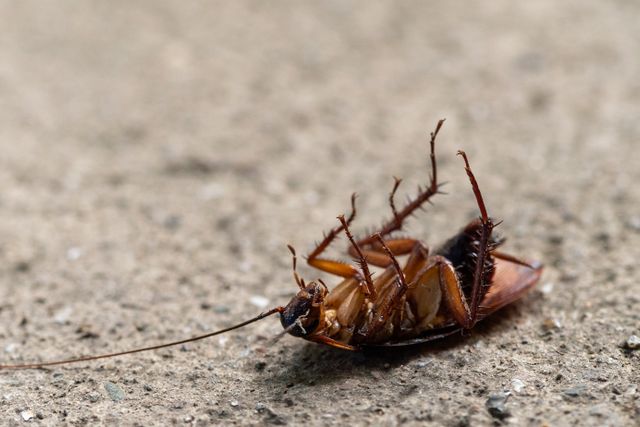
To prevent pest problems, landlords need to conduct routine inspections, close up any entry points, perform adequate landscaping, remove standing water, and fix any moisture problems.
Additionally, pest control experts should respond to reports of pest infestations as soon as possible. It is also important for landlords to educate tenants about proper sanitation so that pests do not get attracted to the property. Proper management techniques will help prevent infestations from occurring over and over again.
7. Parking Issues
Lack of parking spaces or improper use of vehicles can be a major source of friction between the residents. It is important to define assigned parking spaces with signs indicating clearly what they are for. Visitor parking policies must also be communicated in a clear manner in order to prevent misunderstandings.
If the number of available parking spaces is minimal, landlords might need to change some space assignments, update signs, or establish permits if necessary. An organized management of parking provides for a smoother operation of the community. When everyone has a clear understanding of what they can expect, it helps prevent conflicts.
Bottom Line
Complaints from tenants cannot be avoided in the course of owning a rental property, but they must not be treated as problems that need to be fixed. For people who want to provide quality services to their tenants while at the same time getting rid of the hassle of paperwork, hiring a qualified property management company will be useful.
Partnering with a professional property management company can make handling tenant concerns easier and more efficient. If you want to improve tenant satisfaction while reducing the daily responsibilities of rental ownership, contact Foothills Properties today to learn how we can help you manage your property with confidence.